
 ©LucileOrtega
Parchment Museum
Annonay
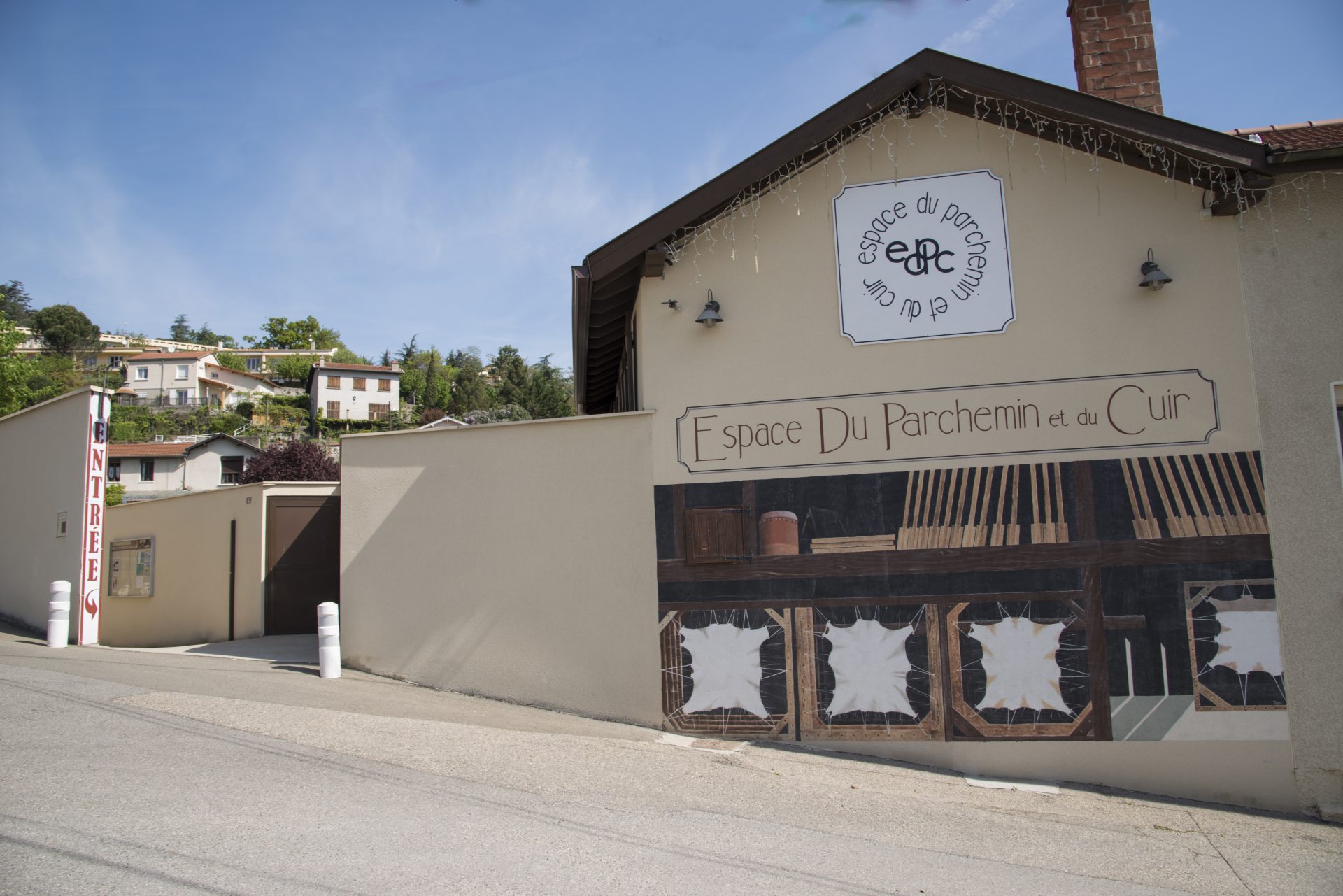
It's around 16 p.m. that I push the door of the parchment and leather museum for a dive into the history of Annonay from yesterday to today! The Dumas parchment factory is still in operation and is one of the last three in France.
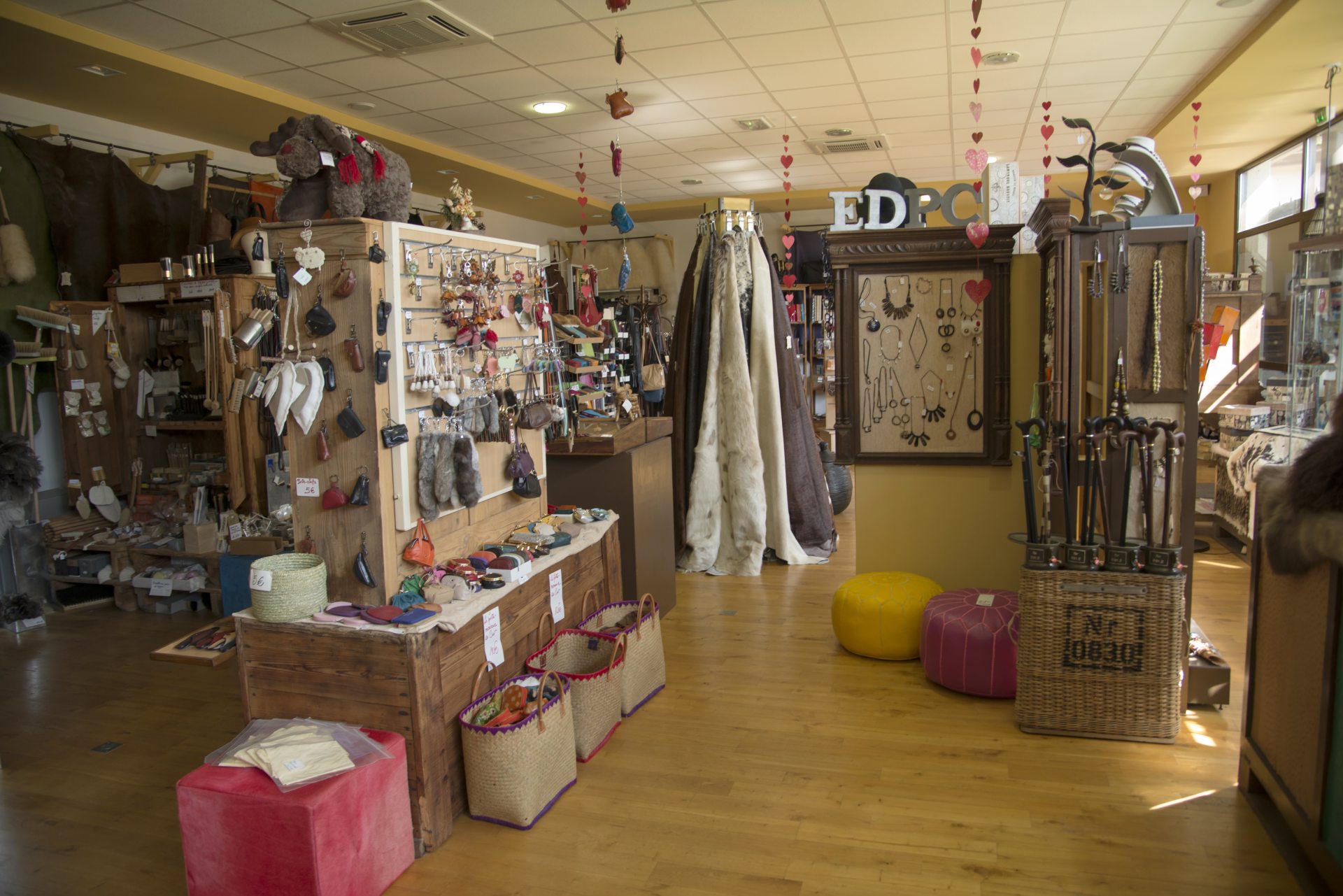
I enter through the store. Inside, leather and parchment items are to be discovered. The rather pleasant smell of leather fills the room. It is Lucile, the daughter of Frédéric Dumas, who welcomes me, giving me a parchment sample as a keepsake. The touch is soft and fine, it is easy to guess how this support could be appreciated for calligraphy and illumination.
The first room is a reconstruction of a bedroom from the 30s. Horn, wool, leather, parchment... All these materials are used for everyday objects : a suitcase, a bedside lamp or a bedspread for example. Nothing is thrown away, everything is upcycled! Among these objects, a mirror sheathed in parchment. The wet parchment is applied to the mirror. In the museum, I will find many other objects using this technique.
This belief is tough! The parchment is precisely made with those of animals. If used as a writing medium, however, it is much older than paper and has competed with the papyrus. Parchmentmaker is a profession quite similar to that of tanner or tanner. The difference is that the skin of the parchment is simply not tanned! And if you wonder where does the word parchment come from, you will discover it during your visit to the museum.
I then sit down to watch a 10 to 15 minute film recounting the story of the creation of the museum. Dating from 2009, it is the result of a long recovery work in flea markets, from collectors, volunteers from the association Friends of Parchment and Leather or knowledge. We learn that the Dumas parchment factory supplied the Republican Guard with drum skins, just that!
I continue through the main room which hosts temporary exhibitions but also private events (conference, yoga classes, ballroom dancing, meeting…)
In addition to the history of parchment and leather, I discover objects like suitcases, bags, shoes and also more unusual things like crocodile-leg gloves.
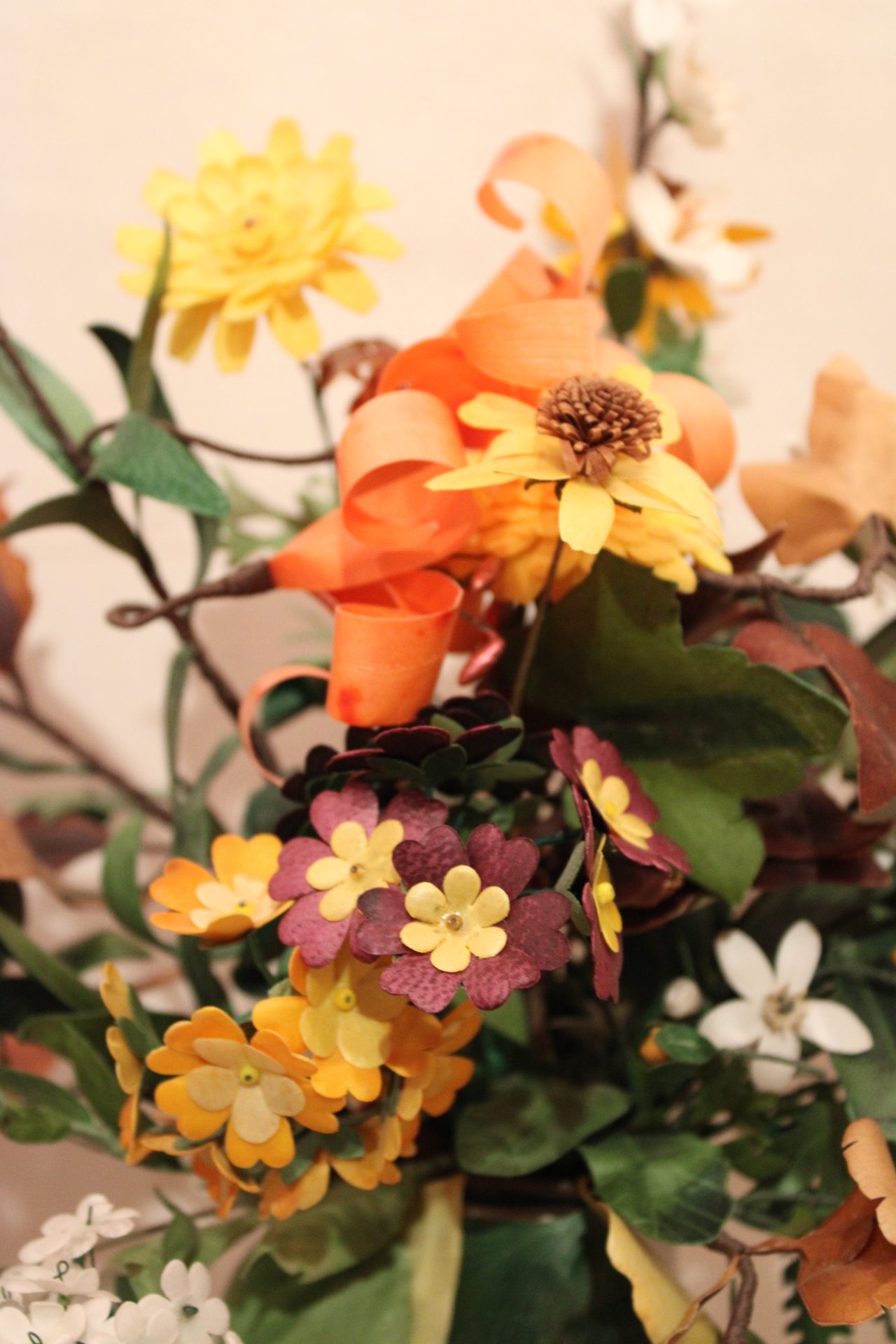
The part that caught my attention the most: a bouquet of flowers… in parchment ! Incredibly thin, it contrasts with the parchment straps, presented below and renowned for their solidity. This is the whole point of the diversity of objects present in this room: to show all the qualities of this material: solidity, elasticity, finesse, longevity... Some are moreover modern objects, proof that we still use the parchment and thatit can even be design !
Legend has it that the rivers of the Deûme and the Cance are so pure that they attracted the parchment makers in the XNUMXth century and that they founded the city. The tanners and parchment makers made the city famous, until their decline in the XNUMXth century.
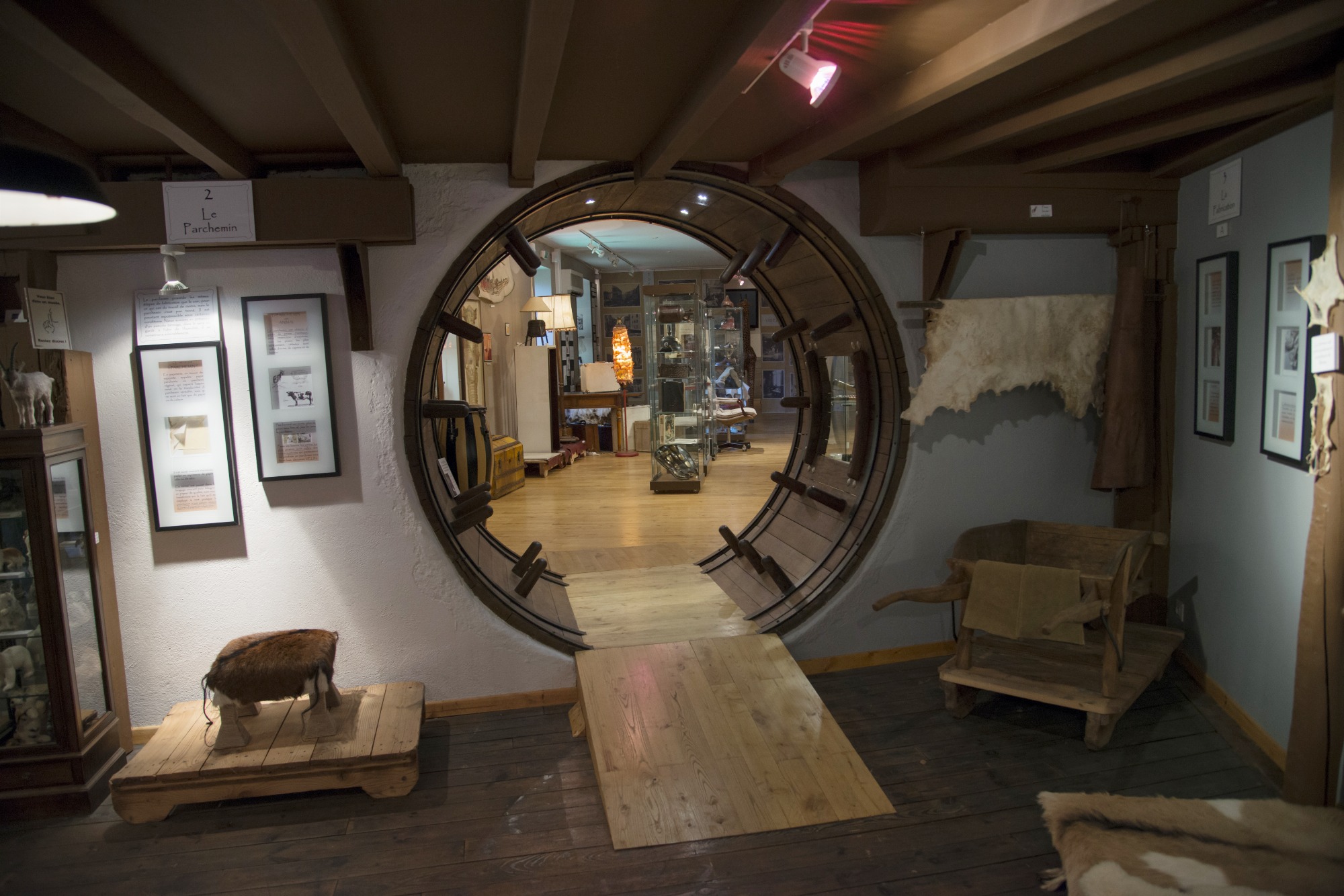
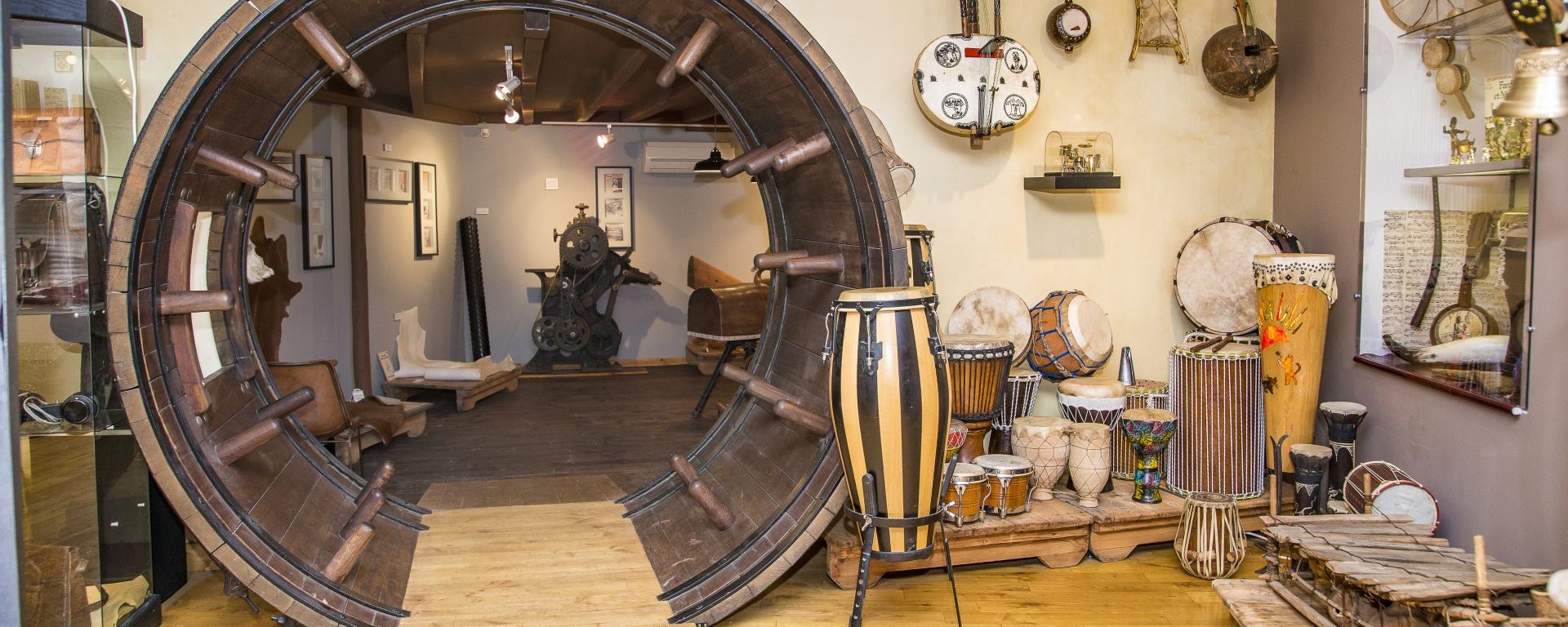
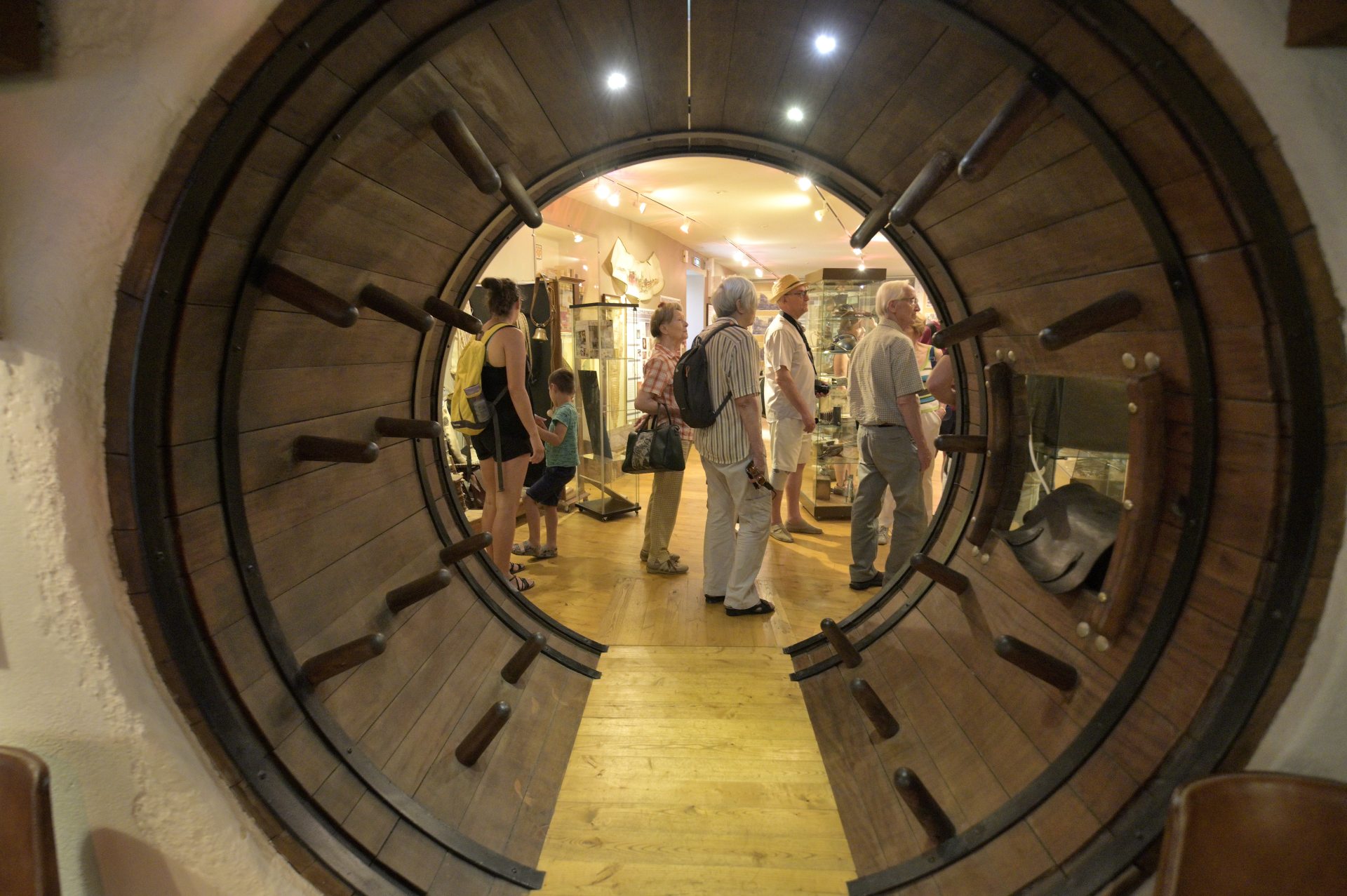
To access the third room, I pass through an imitation wooden fuller, a huge drum used to soften, untangle and knead the skins. Part of this room explains the history of the Dumas family and the creation of parchment. We learn, for example, that André Dumas, father of Frédéric, invented decorative skin in France at the end of the 50s.
Further on, one can observe through a window, the current manufacturing workshop, which has just been refurbished, and the employees who are at work there. We also discover how parchment is made: trimming, tempering, desemming, liming, bleaching, framing or drying… Steps that can take up to a month and a half to obtain a parchment! We discover a real know-how of which only a few factories remain in France. In 2013, the Tannerie Parcheminerie Dumas received the national label “Entreprise du Patrimoine Vivant”.
I arrive at the end of the visit after an hour and a half. I did not see the time slip away! I make a small detour to the shop and thank Lucile for her welcome. I discovered uses of parchment that I was far from suspecting and penetrated the mysterious universe parchment craftsman.
 Renaud Vezin
 Lucile Ortega
 Lucia Ortega